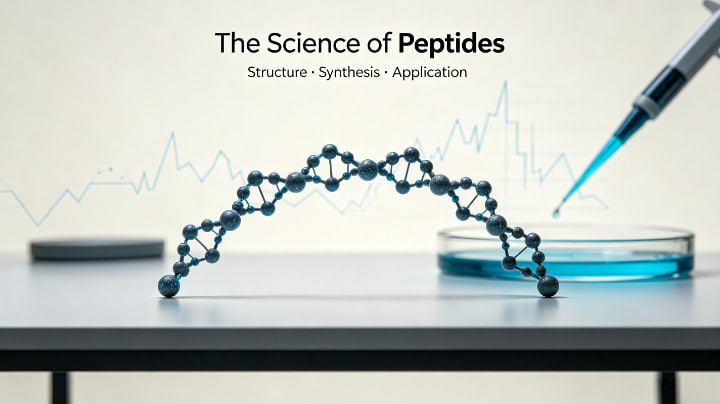
In simple terms, peptide purity refers to the proportion of the target peptide within the total material of the product, typically determined via High-Performance Liquid Chromatography (HPLC). For instance, a purity of 98% indicates that the target peptide accounts for 98% of the analyzed material, with the remaining 2% consisting of impurities (such as truncated peptides, residual solvents, or moisture).
However, purity represents only one dimension of quality; it is not synonymous with "net content" (the actual mass in milligrams of the target peptide in the vial) or "efficacy." A truly high-quality peptide represents a comprehensive balance of high purity, high peptide content, sequence accuracy, batch-to-batch consistency, and suitability for specific research requirements.
Therefore, for researchers and purchasers, understanding the true meaning of purity and selecting the appropriate purity level based on specific research goals—where a purity of ≥98% generally meets the vast majority of scientific needs—is far more rational and effective than blindly pursuing the "highest possible purity."